
When it comes to tennis, you can watch it on Sky Sports throughout most of the year. When it comes time for the grass season, however, there is one channel that tends to take the lead with coverage and that is the BBC. If you want to watch Wimbledon, Eastbourne or the Nottingham Open, then you’re going to be tuning in to either BBC One or BBC Two in order to do so, with even occasional specials like the 2025 Battle of the Sexes between Aryna Sabalenka and Nick Kyrgios being shown on the national broadcaster. That means there are ample opportunities for pundits, presenters and commentators to work with ‘the Beeb’.
Clare Balding
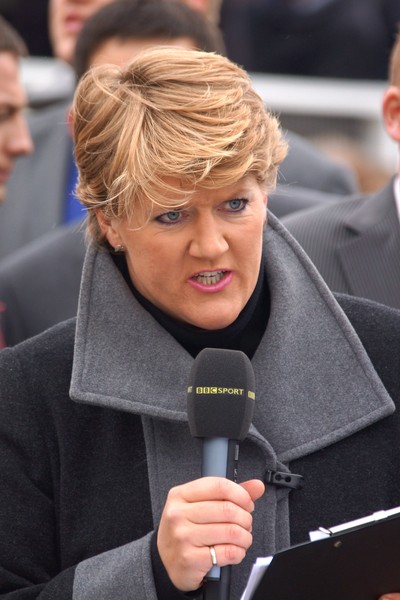
In the sports broadcasting world, Clare Balding is seemingly everywhere. From Crufts to the Summer and Winter Olympics, the former jockey is turned to by the likes of Sky Sports, TNT Sports and BBC Sport whenever there is a role that needs to be filled. Whilst her family unquestionably helped her with her career in the saddle, given the fact that her father trained numerous winners and her uncle did similar, Balding’s space in the world of broadcasting has come about largely thanks to her own hard work. She did a traineeship with BBC National Radio in the mid-1990s, getting her television presenting debut in 1995.
As someone who has presented numerous Summer and Winter Olympic Games, as well as the Paralympics and the Commonwealth Games, it is fair to say that she knows how to front sports coverage for the BBC. It was in 2023 that the BBC decided to promote Balding to the position of being the main presenter of the organisation’s Wimbledon coverage, having already been presenting the highlights show, Today at Wimbledon, since 2015. Whilst you will be able to watch some of the coverage of Wimbledon without seeing Clare Balding, you will have to get your timing exactly right in order to do so.
Isa Guha
A former right-handed medium bowler with the England cricket team might not sound like the ideal person to cover Wimbledon on paper, but then again a former jockey probably doesn’t either. For Isa Guha, her representation of the England national team in eight Test matches and more than 80 One Day Internationals resulted in her being appointed a Member of the Most Excellent Order of the British Empire means that she probably won’t mind very much. Born in High Wycombe to parents that had emigrated from India, she read Biochemistry and Molecular Biology at University College London and then Neuroscience.
Good to be back @Wimbledon #Wimbledon pic.twitter.com/nLp1WJpbUL
— Isa Guha (@isaguha) July 1, 2024
She retired as an international cricketer in 2012, then became a co-presenter of ITV4’s coverage of the Indian Premier League. Four years later and she was made a member of Triple M Radio’s Test commentary team, then in 2013, she became a commentator for Sky Sports’s cricket coverage. Her debut with the BBC came in 2020 when she was the lead presenter of a cricket highlights show, later presenting a similar show about the Birmingham 2022 Commonwealth Games. She joined the broadcaster’s presenting team for Wimbledon in 2023 and has been part of it ever since, initially sharing the role with Sue Barker and others.
Andrew Castle
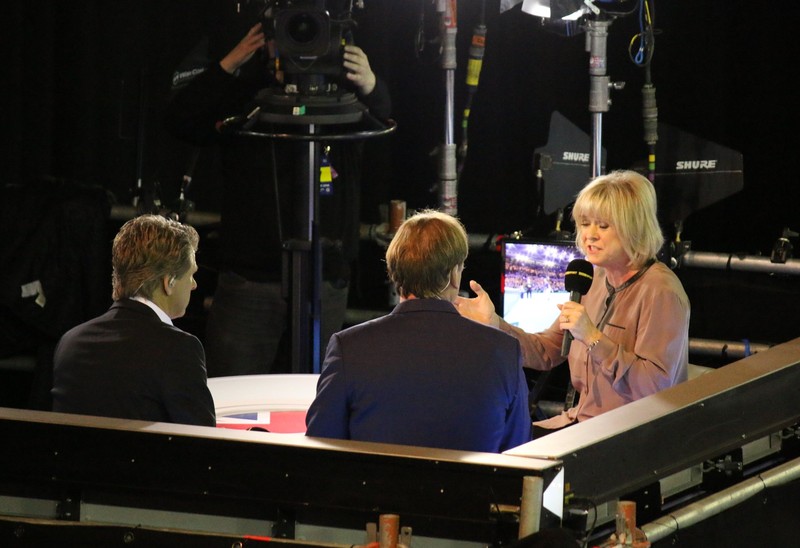
Nowadays, Andrew Castle will be thought of by most as one of the most recognisable voices in tennis, thanks to the fact that he is one of the main commentators for the BBC’s Wimbledon Championship coverage. What a lot of people might not realise is the fact that he was once a tennis player in his own right. Born in Epsom, Surrey on the 15th of November 1963, Castle reached the Australian Open mixed doubles final with his partner Anne Hobbs, as well as winning three ATP titles in men’s doubles and one on the Challenger Tour. He retired from tennis in 1992, working as a commentator and presenter for BskyB.
In the September of 2000, Castle became a presenter on GMTV, which was one of a number of different media roles that he has played over the years. In 2009, for example, he began presenting Divided, which was a daytime game show, then four years later he became a presenter for LBC, the talk radio station. It is his work for the BBC on the channel’s Wimbledon coverage that Castle is best known for, though. That began in 2002 and he has continued in the role ever since. If you’re watching the channel and listening to the commentary on a big game, chances are it is Castle leading it.
John McEnroe
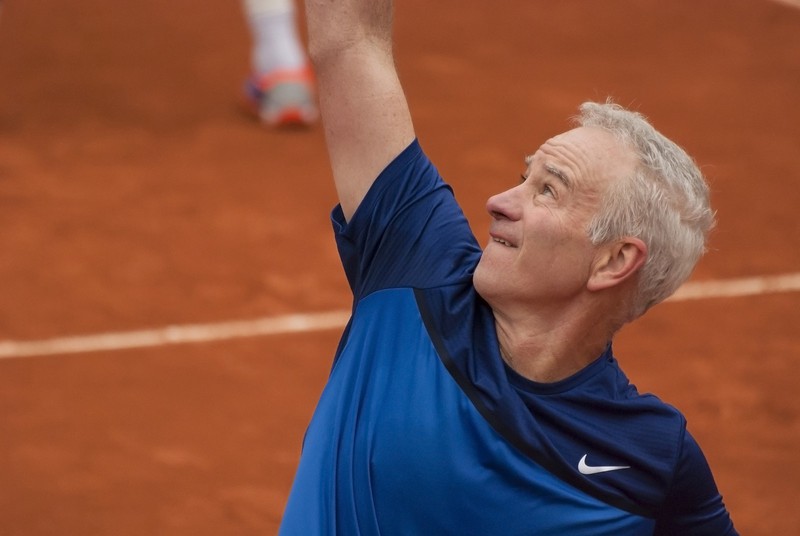
When a producer first suggested the idea of the BBC using John Patrick McEnroe Jr. as a pundit for television coverage, they may well have received a reply of ‘You cannot be serious!’ The good news for us viewers is that they very much were serious, with the German-born American tennis player taking to the role like a duck to water. That will, at least in part, be down to the fact that he was Wimbledon champion himself three times in the 1980s, also winning the US Open four times and making it to the final of the French Open, so it is fair to say that McEnroe knows what he’s talking about when it comes to top-level tennis.
The only player to have held both the Association of Tennis Professionals world number 1 singles and doubles titles at the same time, the BBC know that they can turn to McEnroe for his thoughts on either discipline and they will receive intelligent responses. He joined the BBC’s commentary team in 2000, being an instant hit and remaining on the roster of voices that the broadcaster turns to for more than two decades. He also works for American broadcasters when he’s not part of the BBC’s team, although it isn’t exactly outrageous to suggest that he has not been without his critics during his time in the commentary chair.
Billie Jean King
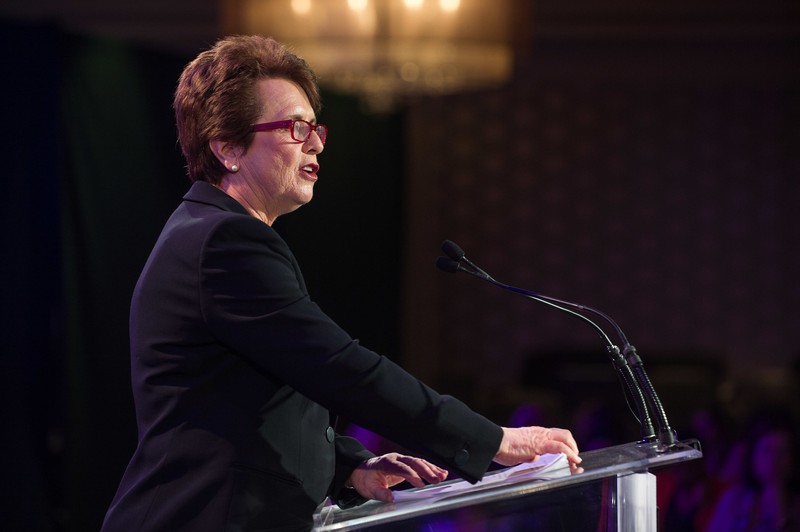
If you want someone with knowledge and experience to be on your list of former players that you can turn to to get their take on tennis matches, Billie Jean King isn’t a bad name to invite. Having won the Australian Open, the French Open, four US Opens and six Wimbledon titles, she is considered to be amongst the best players ever to pick up a racket. In total, she won 39 Grand Slam titles across the singles, doubles and mixed doubles disciplines, so she is very much in the know when it comes to what it takes to succeed on the tennis court, following up that success as a broadcaster in the years since retiring.
Born into a Methodist family in Long Beach, California, King was 11 years old when she made the switch from softball to tennis. When she won the French Open in 1972, that made her just the fifth woman to have won all four Grand Slam events. In 1973, she took on Bobby Riggs in the Battle of the Sexes, winning both the exhibition match and the $100,000 that went along with it. There aren’t a host of tennis players about whom Elton John has written a song, but his hit Philadelphia Freedom is about her. That obviously isn’t why she became a commentator, but she’s been a welcome voice on the channel.
Pat Cash
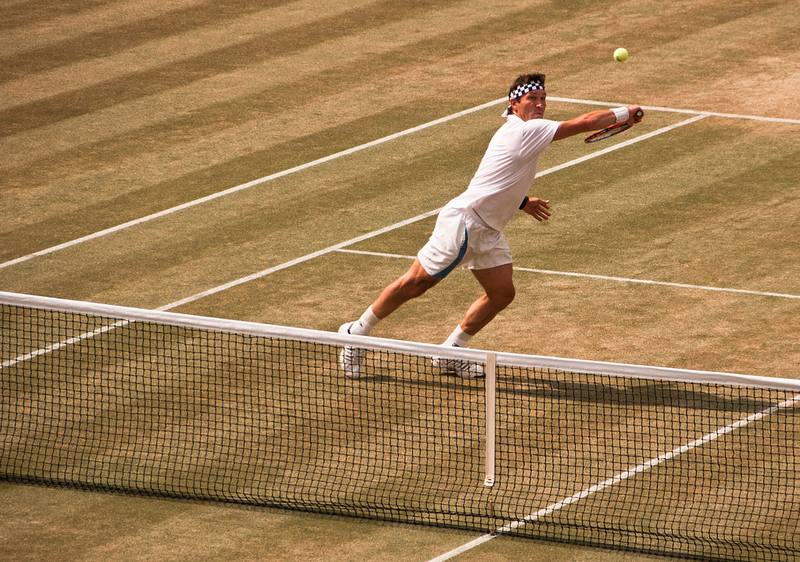
Born in the Australian city of Melbourne in 1965, Patrick Hart Cash was ranked as the fourth best player in the world at the height of his tennis career. He twice reached the final of his home Grand Slam, but missed out both times, also failing to win both the French Open and the US Open. He did win Wimbledon in 1987, however, climbing into the stands in order to celebrate with his family in a move that has now become something of a tradition for winning players. The BBC’s use of Cash has been criticised at times, given the fact that he peddled nonsense about the 2020 health crisis and the idea of the 15-minute city in recent years.
Even so, his expertise as a former tennis player isn’t under question, which why the broadcaster has been happy to turn to him to offer insights during the week of Wimbledon. From filming videos for the BBC’s socials about how to do the perfect tennis serve through to offering his thoughts on where the game is up to in the modern era, Pat Cash is often used for coverage on the Beeb when it comes to their tennis coverage. When Jannik Sinner defeated Carlo Alcaraz in 2025, for example, Cash recorded an interview talking about the possible future of the men’s game, given the success of the big hitter over the more skilful player.
Andy Stevenson
When it comes to Paralympic broadcasting, there aren’t many people out there as intelligent and vocal as Andy Stevenson. Born with very short arms and no hands, Stevenson wears a prosthetic on his left leg because it only comes down to knee level. A long-term lover of sports like golf and football, Stevenson wanted to work in sport but knew that he couldn’t do so as a player to any high level and so turned to writing and talking about it instead. Having spent a fortnight on work experience at BBC Radio Berkshire in 2004, Stevenson took on a role as a researcher for the BBC Sports Personality of the Year team in 2009.
Delighted to be involved again at @Wimbledon for @BBCSport this year.
It will be my third year of TV commentary at the Championships but my first in a new role, presenting the wheelchair finals on the closing weekend. https://t.co/BdmempG5FN pic.twitter.com/q4EkthB0kD— Andy Stevenson (@AndyStevenson81) June 21, 2023
Having worked in numerous different roles for the broadcaster, he went freelance in 2013 when the BBC moved its main teams to Manchester. Nowadays, he works for the TV production company Whisper Films, also commentating for the BBC on numerous different events. As a firm advocate for disabled people on camera, it is only right that Stevenson is used by the nation’s broadcaster to front their coverage of the wheelchair tennis when Wimbledon comes around. Of course, he’s able to be more than just the ‘disabled reporter’ at the BBC, so it is used for numerous different roles during the Wimbledon fortnight.
Tim Henman
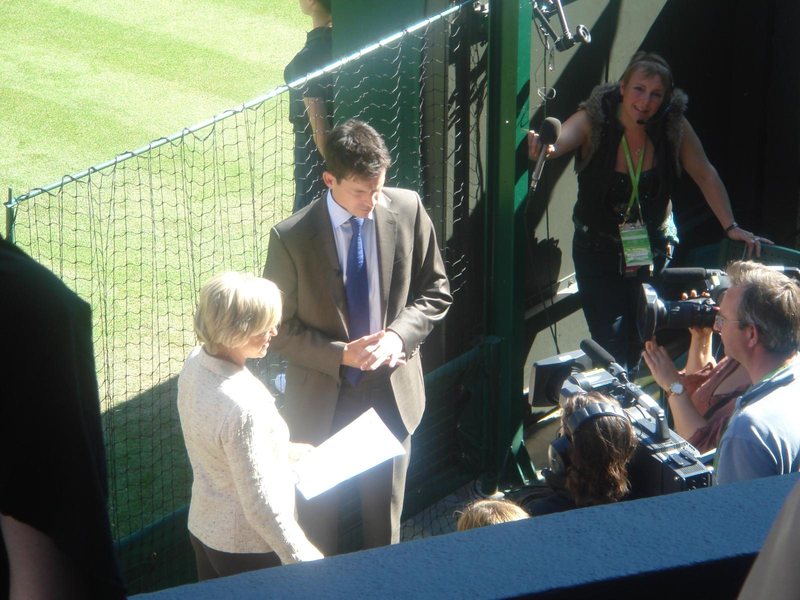
The area in front of the big screen at Wimbledon might well have become ‘Murray Mount’ in later years, but there was a time when it was known to all as ‘Henman Hill’. That is a sign of how closely Tim Henman is associated with the All-England Lawn Tennis Club, in spite of the fact that he never managed to win any of the Grand Slam events during his tennis career. He did make it to the semi-finals of all but the Australian Open, though, and managed it four times at Wimbledon. In that sense, he is able to speak openly and candidly about coping with the pressures of being one of the big English hopes in the tournament.
Timothy Henry Henman was born on the sixth of September 1974 and was at one point the world number four ranked tennis player whilst also being the British number one. Having started playing tennis as a three-year-old, Henman is well placed to be able to talk about what it takes to succeed at Wimbledon, even if he didn’t manage it himself. Often a thoughtful and intelligent voice in the commentator’s box, he has been working for the BBC since 2008 and is occasionally turned to as a studio analyst if someone else is taking up the role of co-commentator. The second chapter in his career is a welcome one for those who listen to him.
Tracy Austin
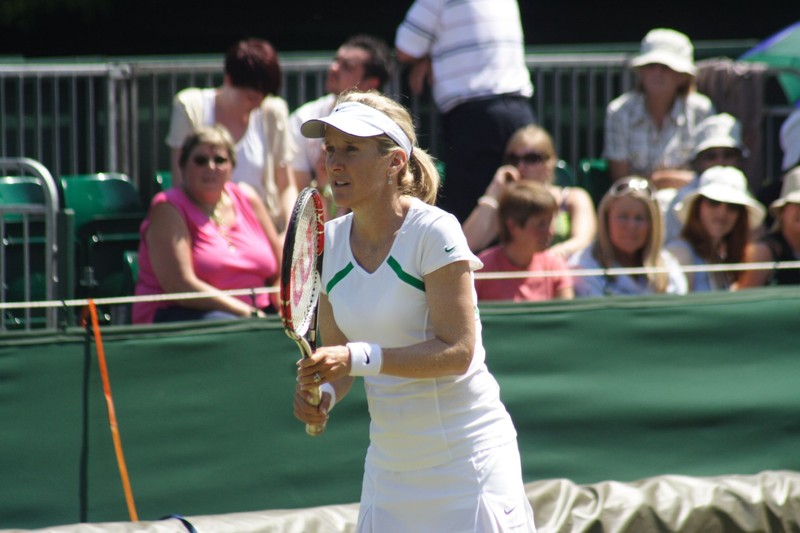
Tracy Ann Austin Holt was born in the California city of Rolling Hills on the 12th of December 1962. A month after turning 14, Austin won the Avon Futures singles title in Portland, which was her first professional title. She made it to the quarter-final of the US Open at the first time of asking, actually turning professional in the sport two months before she turned 16. She only made it to the quarter-finals of the Australian Open and the French Open, doing so twice as far as the latter was concerned. Her time playing at Wimbledon saw her twice lose in the semi-finals, but she did win a Grand Slam in the form of the US Open, both in 1979 and in 1981.
It is also worth noting that she did win at Wimbledon, taking home the mixed doubles title in 1980. Little wonder, therefore, that the BBC think that Austin is qualified to talk about the pressures and strains of life as a top-level tennis player. She has also been used by the broadcaster for several decades, having first co-presented the evening highlights alongside Harry Carpenter in 1993. In the years that followed, Austin went on to become a regular presence in both the commentary box and the studio as a key part of the BBC’s team covering the Wimbledon Championship, offering thoughts on the play of those on court for matches.
Andrew Cotter
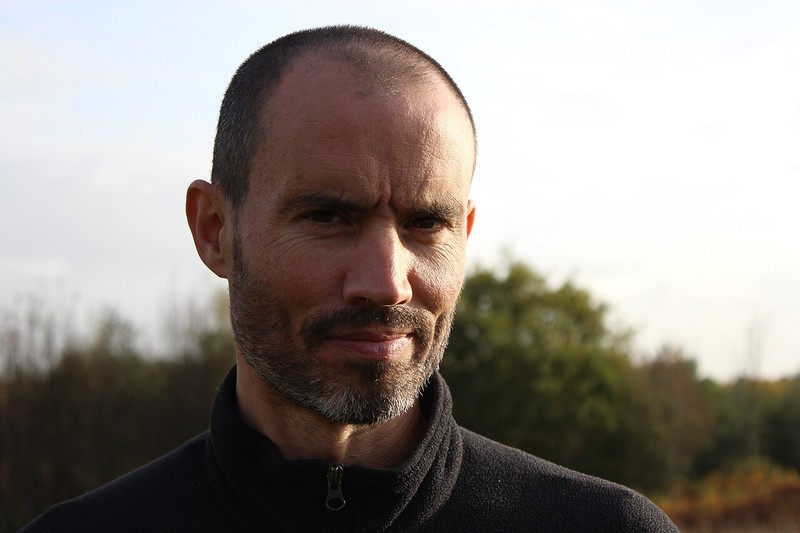

Whether it be commentating on the comings and goings of his two dogs, Mabel and Olive, during 2020-era lockdowns or turning his hand to Summer Olympic sports, Andrew Cotter knows what it takes to bring something to life for the listeners at home. Born in Troon in Scotland on the 20th of July 1973, Andrew Douglas Millar Cotter earned a degree in French and Philosophy from the University of Glasgow, going on to play golf for both Scottish Schools and Scottish Universities. His broadcast career began, suitably enough, as Scot FM, the Edinburgh-based commercial station, in 1997 before he moved to London three years later.
That saw him picking up work from both the BBC and Sky News, beginning his commentary career for BBC Radio, talking us through the action in both rugby and golf. His television career began in 2001 when he presented sports bulletins on BBC News 24, moving into commentary for the main channels two years later. It was in 2008 that he became a regular voice for the Beeb’s coverage of Wimbledon, remaining one of the main commentators ever since. He is also the commentator for Eurosport’s English language coverage of the Wimbledon tournament, which he turns to when he isn’t fulfilling the role for the national broadcaster.
The BBC’s Pull
As the main national broadcaster in the United Kingdom, the BBC is well known throughout the world and covers any number of sporting events over the course of the year. Yet there is nothing that captures the national attention quite like Wimbledon, when all eyes turn to the All England Lawn Tennis and Croquet Club to see how the best of the best in the tennis world are going to cope with the grass surface. The result of that is that the BBC has a huge amount of pull for some of the biggest names in tennis to head along and work for them. From former champions to those who came close but missed out, all will work for the ‘Beeb’ if asked.
That is why names such as Boris Becker, Martina Navratilova, Annabel Croft and Anne Keothavong have all appeared on the channel at one point or another, offering their takes and thoughts on what is taking place on court. When you consider the presence of BBC Radio 5 Live as another string in the broadcaster’s bow, it is little wonder that few other organisations even come close to competing with what is on offer from the BBC. The week of Wimbledon also sees other presenters and commentators dust off their microphones in order to ensure that the watching public get their fill of the action, such as Qasa Alom presenting Today at Wimbledon.