

On Sunday evening at the MetLife Stadium in New Jersey, Spain defeated Argentina 1-0 after extra time to win the World Cup for the second time. In one of the most one-sided finals ever, Luis de la Fuente’s side, who were already champions of Europe, dominated from the start. But Argentina’s dogged – and at times brutal – play meant the favourites were unable to find the breakthrough in normal time. Spain broke Argentina’s resolve, their fans’ hearts, in the 106th minute, as substitute Ferran Torres blasted past Emiliano Martínez after a knockback from Nico Williams.
Argentina, down to 10 men after Enzo Fernández was sent off in injury time of the second half, were unable to find a response. Lionel Scaloni’s men had offered almost zero goal threat until they went a goal down, and despite a couple of half-chances late in the game, Lionel Messi and co couldn’t score an equaliser. That was a great relief to neutrals and football purists, given that on every measurable metric, Spain were the superior side.
Hardly a Classic, But Spain Did Just Enough
The 2026 World Cup final will definitely not go down as a classic. And the less said about the half-time show, the better! Unlike the compelling and almost comically exciting third-place playoff in which England beat France 6-4, this was dour, bad-tempered and, frankly, quite boring. The fact that Argentina failed to register a single shot in normal time says it all. That was only the third time since 1966 that’s happened in a World Cup match… Costa Rica having failed to muster a single shot on two occasions previously.
Indeed, Argentina’s xG was rooted at 0.0 until 110 minutes of the match had been played. Even after their late, desperate attacking flurry, they only managed an xG of 0.2 by the end of extra time. The first half was particularly bad, with just three shots in total (all for Spain), and the first time since records began that Argentina have failed to have a single shot in the first half of a match.
For their part, Spain stuck to their task and refused to get drawn into the niggles and nastiness meted out by their opponents. Lamine Yamal, for instance, showed maturity beyond his 19 years to maintain calmness in the face of repeated provocation from the Argentine players. With more than 65% possession and 20 shots (to Argentina’s two!), it is perhaps surprising that Spain didn’t win far more easily. It is testament to Scaloni’s team that they at least managed to keep their opponents at bay, despite using rather questionable tactics at times.
One player who certainly kept Argentina in the game was their goalkeeper. Emiliano Martínez made 10 saves in normal time, a World Cup final record, and another in extra time. He could do nothing to keep out the goal, however, and no one watching could suggest it hadn’t been coming.
Argentina Lose Their Heads as Spain Remain Calm
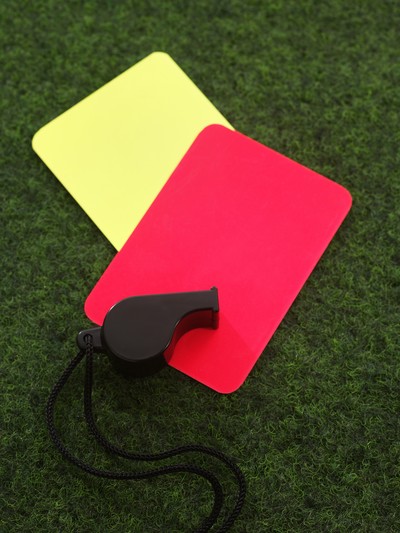 Spain played their usual brand of possession-based football as they calmly attempted to craft chances to score. On the flip side, Argentina did everything they could to disrupt play, from time-wasting and diving to simple kicking lumps out of their opponents. It was surprising that none of Scaloni’s players had been booked until Lisandro Martínez in the 41st minute (he was hauled off the pitch just a couple of minutes later with an injury).
Several bookings followed, including for Enzo Fernández, who then picked up his second yellow for an awful challenge that sent the brilliant Pau Cubarsí head over heels. On another day, it could easily have been a straight red, but it didn’t matter as he departed the pitch anyway, leaving his side’s already difficult task even tougher.
Speaking of Cubarsí, the 19-year-old defender put in an imperious display and completed more than 100 passes during the match, as did his teammate Rodri. Only one other player has achieved that feat in a World Cup final since 1966, Dunga for Brazil in 1994.
Class Eventually Trumps Cowardice
Had it not been for Argentina’s (and Aston Villa’s) keeper Martínez, Spain would have had the game wrapped up long before the prospect of extra time materialised. But the Spanish kept plugging away, and Luis de la Fuente made several positive substitutions, with Nico Williams, Mikel Merino and, of course, Ferran Torres all providing positive moments. The fact that two of the subs, Williams and Torres, combined for the winning goal will no doubt please the manager.
At the final whistle, there were unsavoury scenes as Argentina midfielder Leandro Paredes began lashing out at Spain’s Eric García, for which he’ll surely face consequences. But it couldn’t take the shine off Spain’s deserved triumph, as they received the trophy from Gianni Infantino and Donald Trump, the latter of whom hung around the presentation stage slightly longer than he should.
Champions.#FIFAWorldCup pic.twitter.com/h7BTVx8R6A
— FIFA World Cup (@FIFAWorldCup) July 19, 2026
Along with the World Cup itself, Spanish players were recognised individually. Rodri was given the Golden Ball as the tournament’s best player (with Messi coming second and Kylian Mbappé, who won the Golden Boot, coming third). The Golden Glove award for the best goalkeeper went to Spain’s Unai Simón, and the FIFA Young Player Award was deservedly handed to Pau Cubarsí. The question now for the rest of the world is whether anyone else can challenge the dominance of this exceptional Spain side.