
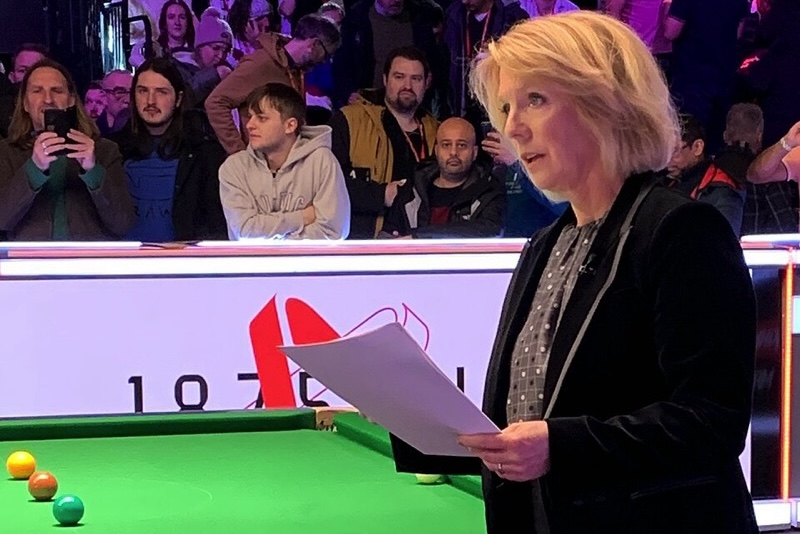

When Hazel Irvine became the youngest-ever presenter of Grandstand on the 19th of June 1993, she was 28 years old and had been working in television for less than five years. More than three decades on, she is still one of the most familiar voices and faces on BBC Sport.
She has presented at every Summer Olympics since Barcelona 1992, at five Winter Olympics, at four FIFA World Cup tournaments and at the World Snooker Championship at the Crucible. Few broadcasters have done quite so much for quite so long without ever once becoming part of the story themselves, but Irvine has somehow managed it.
Irvine in the Media
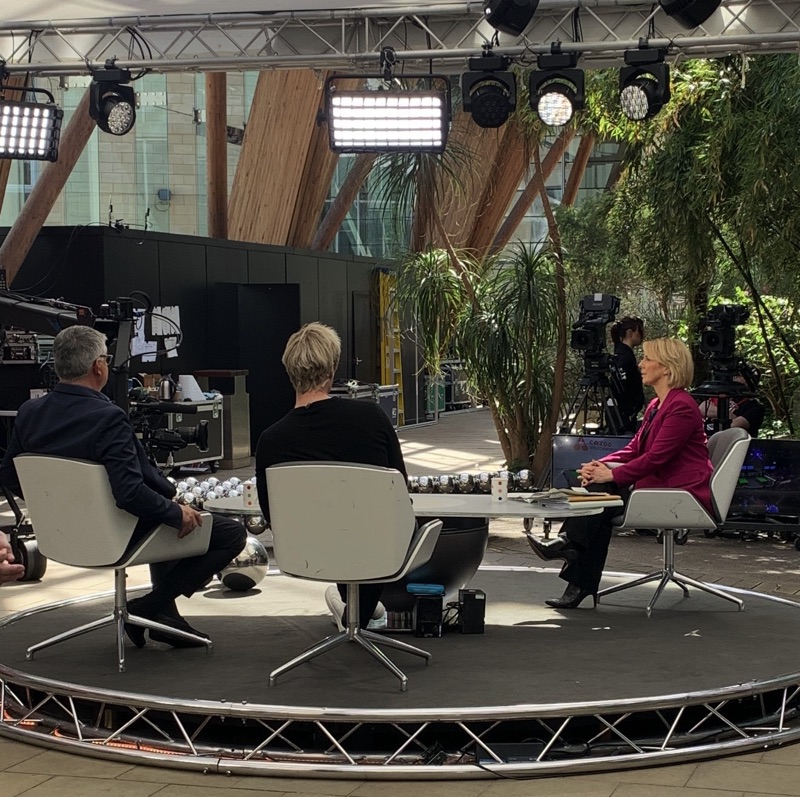

Across her years at the BBC, Irvine has been the broadcaster the network has tended to turn to when an event needs a presenter whose presence will not get in the way of the sport. Her work across the Summer and Winter Olympics has run continuously from 1992 in Barcelona, taking in the Atlanta, Sydney, Athens, Beijing, London, Rio, Tokyo and Paris games on the summer side and an equivalent stretch of Winter Olympics across the same period. The Commonwealth Games, the major football tournaments and a range of other broadcasting assignments have also been Irvine’s jurisdiction during her time at the broadcaster.
Starting Out
It all began at Radio Clyde in Scotland in 1986, then two years later she moved to Scottish Television in order to become a continuity announcer before eventually appearing as a presenter and sports reporter. From that, ITV decided to get her on board with their coverage of the 1988 Olympic Games before asking her to cover Scotland in the World Cup of 1990. That was also the year that she joined the BBC for the first time, working on Sportscene for BBC Scotland. Three years later and she became the youngest-ever Grandstand presenter, whilst also working as the anchor for BBC Scotland’s Children in Need coverage.
Expanding Coverage
She continued to work steadily, first presenting coverage of Hogmanay Live in 1994 and then the Women’s World Cup a year later. That was also the year that she began to present for Football Focus. Then, in the December of 1996, she became the lead presenter of Ski Sunday, working with Julian Tutt initially before taking on the role on her own the following year. If a Triple Crown snooker event is hosted by the BBC, such as the World Snooker Championship, Irvine is the person that the Beeb will ask to present it, which has been the case for her since 2002.
Snooker Speciality
Her presentation of the major snooker events might well be the work that she is best known for, becoming one of the most recognisable faces of a sport that has gone through several substantial periods of cultural shift while she has been working on it. Her on-air partnerships with the likes of John Parrott, Ken Doherty, Stephen Hendry and Steve Davis have produced some of the more durable presenter-and-pundit relationships in modern British broadcasting. Her warmth, her knowledge of the sport and her willingness to engage with the technical side of things have worked to ensure that she is well loved by the watching public.
Highly Respected
Not that she has ever been pigeonholed when it comes to her work. For nearly 25 years, for example, she presented coverage of golf for the BBC, with her last piece coming from the Masters in 2017. Whether it be coverage of the Commonwealth Games, anchoring Wimbledon or heading up the BBC’s reporting from the Netball World Cup, if the country’s foremost broadcaster has some sport to show, then there is a very good chance that Irving will be the one put front and centre of the coverage. When she’s not doing that, she also worked as a media trainer and can be hired as an after-dinner speaker to talk about her live in front of the camera.
From St Andrews to Grandstand
Born in St Andrews in Scotland on the 24th of May 1965, Hazel Jane Irvine was educated at Hermitage Academy in Helensburgh and read History of Art at the University of St Andrews, where she also competed in golf, netball and athletics at university level. A sporting background and an arts education meant that she was all but primed for a future in sports broadcasting. That has shown up across her work in the form of a presenter who tends to bring a wider range of references to her commentary than most of her colleagues will. Even though she never competed at the highest level, she did at least compete enough to know what it’s like to do so.
The decades since her debut on Radio Clyde have produced a body of broadcasting work and a list of major-event presentations that comparatively few of her contemporaries can match. She was awarded the Royal Television Society’s Sports Presenter of the Year in 2007 and was appointed a Member of the Order of the British Empire in the 2024 New Year Honours for services to sport and charity. For a broadcaster who began her career on a Glasgow radio station and was anchoring Grandstand by 28, the steady accumulation of more than three decades of major-event presenting is the kind of career that few others will be able to match.