
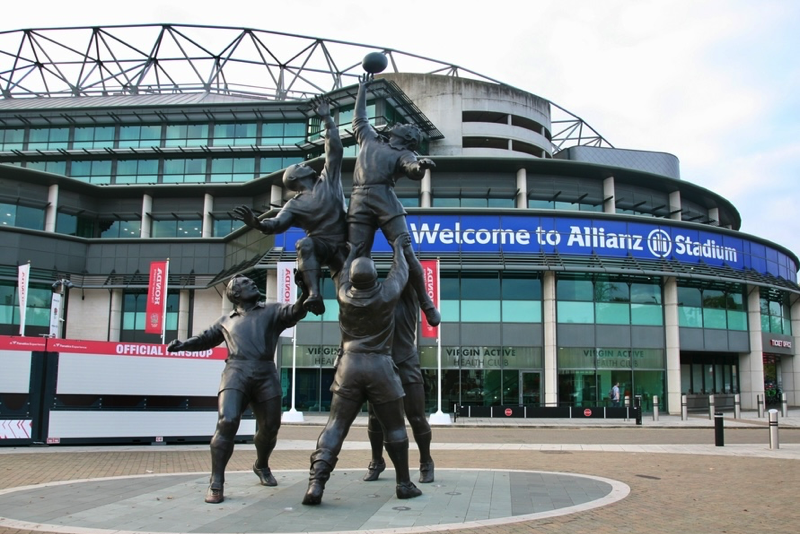
The first Nations Championship has one stage left before it moves to London. Three rounds in Europe, starting the weekend of 6–8 November, will lock the final tables for both hemispheres. Those tables then decide who plays whom at Allianz Stadium, Twickenham, from 27 to 29 November.
July gave a clear first picture. South Africa and New Zealand came out of the southern series unbeaten, level on 15 points. In the north, France led on 12, Scotland had 11 and England 10. Nothing is settled. Bonus points can still shuffle the order, and one bad afternoon against the wrong opponent can cost a place. Plenty of fans fill the gaps between kick-offs with casino 1xbet or a scroll through the markets, and with six hemisphere ties riding on the final tables, there is a lot to scroll through.
How the Tables Work
Twelve teams, two groups. The northern table holds England, France, Ireland, Italy, Scotland and Wales. The southern table holds New Zealand, South Africa, Australia, Argentina, Japan and Fiji. Japan sits in the south for this competition, even though the map says otherwise.
Nobody plays a team from their own table. Each side meets all six opponents from the other hemisphere once, three in July and three in November. A win is worth four points, a draw two, a loss nothing. Bonus points go on top.
That makes the tables unusual. A northern team’s rank has nothing to do with beating its neighbours. It comes from how well it does against southern opposition compared with the other five northern sides facing the same sort of tests.
What the Pairings Mean

After round six the tables freeze and teams meet their opposite number: first plays first, second plays second, all the way down to sixth. The weekend is built as three double-headers, and one ticket covers both games on a day.
- Friday 27 November: Sixth against sixth, then third against third
- Saturday 28 November: Fifth against fifth, then second against second
- Sunday 29 November: Fourth against fourth, then the final, first against first
So finishing top of your table does not just feel good. It books a place in the final. Finishing second means a third-place game, and so on down. Every position has a match attached to it, which is why a single point can matter.
There is a side prize too. The Hemisphere Shield was unveiled on 29 September to give the north-south rivalry its own trophy. After July the two sides were level at nine wins each, so the count stays live through November.
What July Told Us
The Springboks did the most damage. They beat England 45–21 at Ellis Park, Scotland 42–28 in Pretoria and Wales 43–0 in Durban. New Zealand also won all three, including a 34–32 squeak against France on the opening weekend.
The northern results were messier. Scotland won in Córdoba, 47–38 against Argentina. England put 73 points on Fiji in Liverpool but had lost heavily in Johannesburg a week earlier. Ireland edged Australia 33–31 in Sydney. France beat Australia 42–26 in Brisbane.
France only have two wins, and they still lead the north on 12 points. Do the maths and you see bonus points doing real work. A try bonus here and a losing bonus there, and the table looks different from the win column. Anyone judging the north by wins alone is reading half the picture.
The Run-In

Here are the five table leaders after July, with what each still has to play, in order:
- South Africa, 15 points: Italy, France, Ireland
- New Zealand, 15 points: Scotland, Wales, England
- France, 12 points: Fiji, South Africa, Argentina
- Scotland, 11 points: New Zealand, Australia, Japan
- England, 10 points: Australia, Japan, New Zealand
Look at France and England. Both have a southern heavyweight left, and that is where a lead gets lost. Scotland open against New Zealand, so a slow first weekend would leave them very little margin.
One more detail makes the finish messy. The final round puts all six games on a single day, Saturday 21 November. Nobody gets to sit back and watch someone else’s result come in. The pairings only become clear once the last match ends.
Reading the Table Before November
If you follow the Nations Championship with a bet in mind, think in points, not results. A team can win and still fall behind a rival who won with four tries. Margin and try count matter more here than in a standard knockout tournament.
Before picking who finishes top of a table, work out what each side needs. Add four points for every win left, then ask where the bonus points are likely to come from. A side facing an unbeaten southern team may be better off chasing a losing bonus than a miracle. A side with Italy or Fiji on the schedule should be aiming for tries, since a narrow win leaves points on the table.
Squad depth matters too. The southern sides now play three tests in a row in Europe, so an injury in round four can still be felt in round six.
Finals Weekend in London
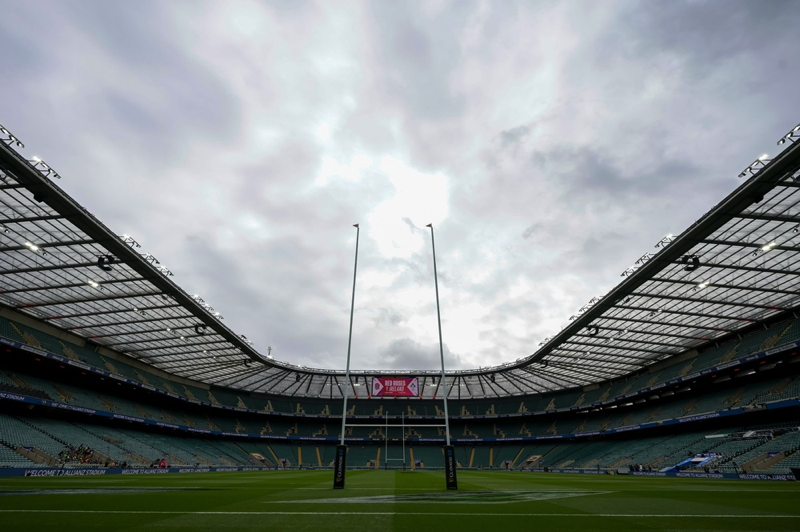
Twickenham gets six matches in three days, and the full pairing list only exists once the last November whistle goes. Until then, every table spot is a moving target. Mark 21 November in the diary first. The pairings come out of that day.