

Anyone who follows sport knows the language of odds. A 2.50 on the home side, 3.30 on the draw and 2.90 on the away win each carry an implied chance, and half the fun of watching a pundit is hearing why they think those numbers are right or wrong. Casino games work on a different kind of maths, and the differences are worth understanding if you’re used to one and curious about the other.
The clearest comparison is with live casino, where real dealers run roulette, blackjack, baccarat and game show titles over a video stream. The games look different from a betting slip, but the same ideas of price, probability and margin sit underneath both. Here is how they compare.
How a Bookmaker Makes Its Margin
A bookmaker’s odds always add up to slightly more than 100% once you convert them to probabilities. Take a tennis match priced at 1.90 on each player. Each price implies a 52.6% chance, so the two together come to 105.3%. That extra 5.3% is the overround, which works out to a margin of roughly 5% built into the market.
On big football and racing markets, margins are commonly in the low to mid-single digits, and they tend to be larger on less popular markets. The bookmaker isn’t predicting winners so much as pricing a market, so it earns that margin across a large volume of bets.
How a Casino Game Makes Its Margin

Casino games build their margin into the rules instead. The house edge is the average share of each stake the game keeps over the long run, and it’s fixed by the way the game is designed.
European roulette is the textbook example. The wheel has 37 pockets, so a bet on a single number has a 1 in 37 chance of winning, but it pays 35 to 1 rather than 36 to 1. That one-unit gap is a house edge of 1 in 37, or about 2.7%. On an American wheel, which has an extra double zero, it rises to about 5.26%. Return to player (RTP) is simply the mirror image: 100% minus the house edge, so European roulette has an RTP of around 97.3%.
The Big Difference: Known vs Estimated Probabilities
This is the most important contrast. In sport, no one knows the true probability of an outcome. A bookmaker’s price is an estimate, informed by form, injuries, weather and the weight of money, and bettors spend their time forming their own views of whether the price looks right. That is the whole basis of tips and analysis.
In a casino game, the probabilities are known and set by the design. There’s no form guide for a roulette wheel, and a dealer’s previous spin tells you nothing about the next one. Each round is independent, which is why trends and “hot” numbers have no bearing on the result. The uncertainty is the same type of uncertainty, but it can’t be analysed in the same way.
Comparing the Numbers
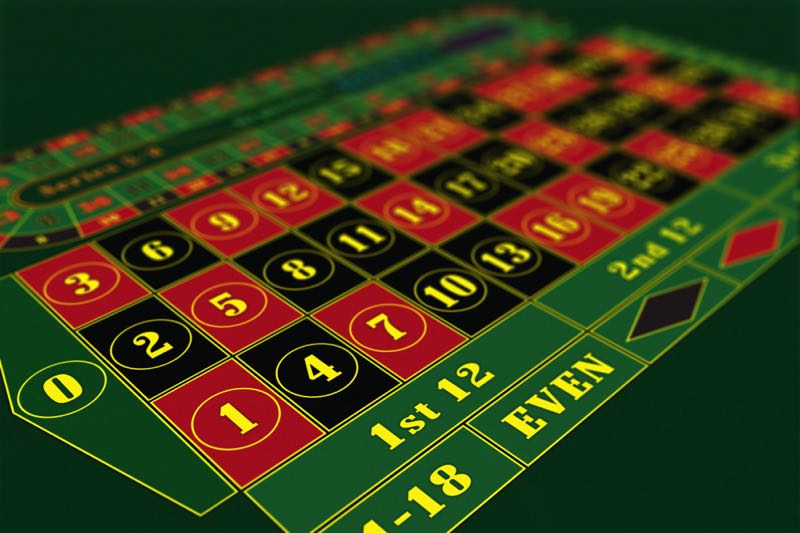
Typical margins give a rough sense of the landscape:
- Popular Sports Markets: Often low to mid single digits, depending on the sport and market
- European Roulette: About 2.7%
- Baccarat (Banker Bet): About 1%, with a higher edge on the tie bet
- Blackjack: Often under 1% with sensible play, though it varies with the table rules
These are long-run averages rather than predictions for any one session, and different games within each category can vary a lot. Game show-style titles and multiplier games also change the distribution of results, with a few big outcomes and many small ones, even though the underlying return is set by the game’s design.
Why Pace Changes the Picture
Because the house edge applies to every round, the speed of a game matters. A bettor placing a few wagers across a weekend is exposed to the margin a handful of times. A live casino table can run far faster. BetWright’s live casino page says Speed Baccarat rounds last just 27 seconds, with 15 seconds to place bets, which in theory means well over 100 rounds an hour. Speed Blackjack is described as about 30% faster than standard blackjack.
None of this makes fast games a problem in itself, but it explains why many people set a time limit and a deposit limit for casino sessions in the way they might plan a staking budget for a season of football.
Reading the Information Panel
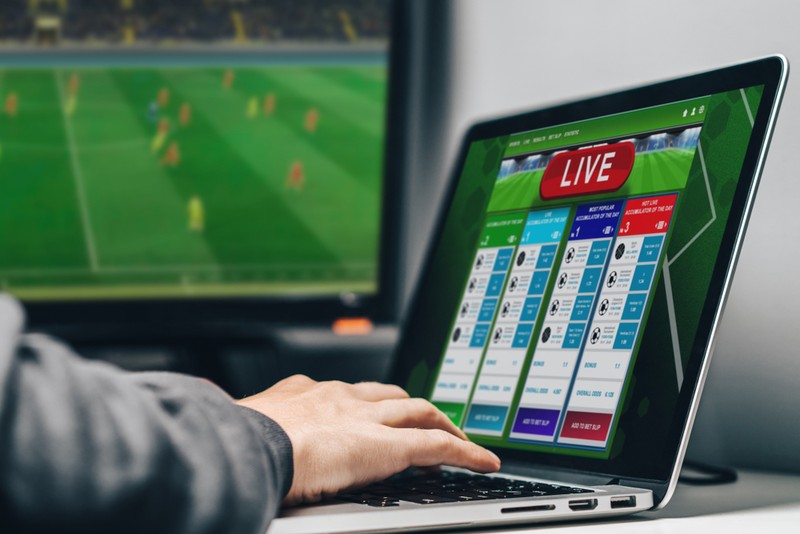
The most practical habit for anyone moving between the two is to check what the game itself says. BetWright’s live casino page states that it provides RTP information across its live lobbies, and that RNG-based games use certified random number generators. In sport, you can compare prices across bookmakers. In casino games, you compare RTPs and rules, since a game with a lower edge returns more over the long run.
Two Different Kinds of Fun
Sports betting rewards knowledge and conviction. A good read on a match or a race is part of the enjoyment, and the final whistle is the payoff. Casino games run on a quicker rhythm and a fixed price, with the appeal lying in the atmosphere, the dealers and the pace of the game.
Understanding the maths of both makes either more enjoyable, because you know what you’re paying for and what to expect. For plenty of fans, that means a bet on Saturday’s racing and a few hands of blackjack on the sofa afterwards, each treated as entertainment with a budget.
Gambling should be fun, not a way to make money. 18+ only. Gamble responsibly and visit BeGambleAware.org for free support and advice.