
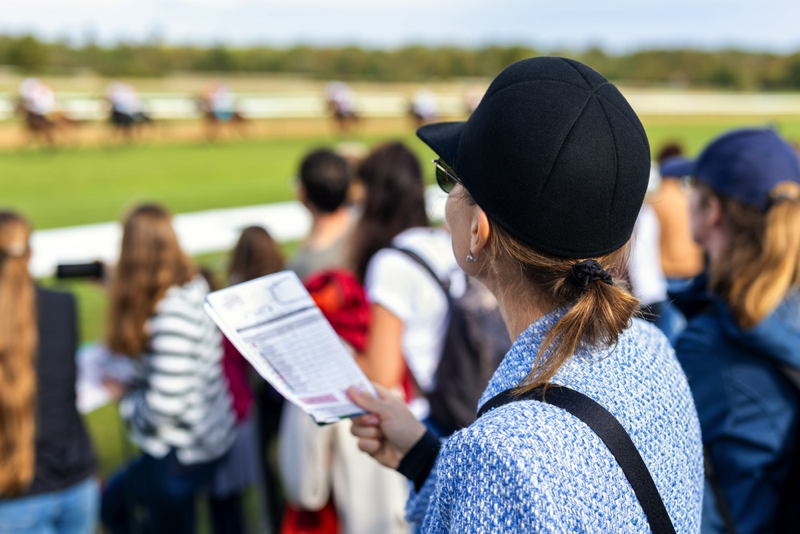
Every time ITV Racing or Sky Sports Racing goes to the paddock, the analysts are studying the same thing you can: the racecard. Their verdicts — “the ground has come right for her”, “he’s well handicapped”, “first-time blinkers could sharpen him up” — all start with one line of numbers, letters and symbols. Learn to read that line, and the coverage suddenly makes a lot more sense.
This guide explains every part of a UK racecard in plain English: the form figures, the codes, the going, and the checklist pundits run through before the off. To follow along with a live example, open today’s racing cards in another tab and match each section to a race on today’s card.
Key Takeaways
- Form figures read left to right, so the most recent run is on the right.
- P, F and U mean the horse didn’t finish. Why it didn’t finish matters more than the letter.
- C, D and CD show previous wins at the course, over the distance, or both.
- Pundits start with the big four: going, trip, class and current form.
In This Guide
- What’s on a Racecard
- Form Figures Explained
- Racecard Codes and Headgear
- The Going
- Weight, Ratings and the Draw
- How the Pundits Weigh It All Up
- A Worked Example
- Glossary of Horse Racing Terms
- Frequently Asked Questions
What’s on a Racecard?
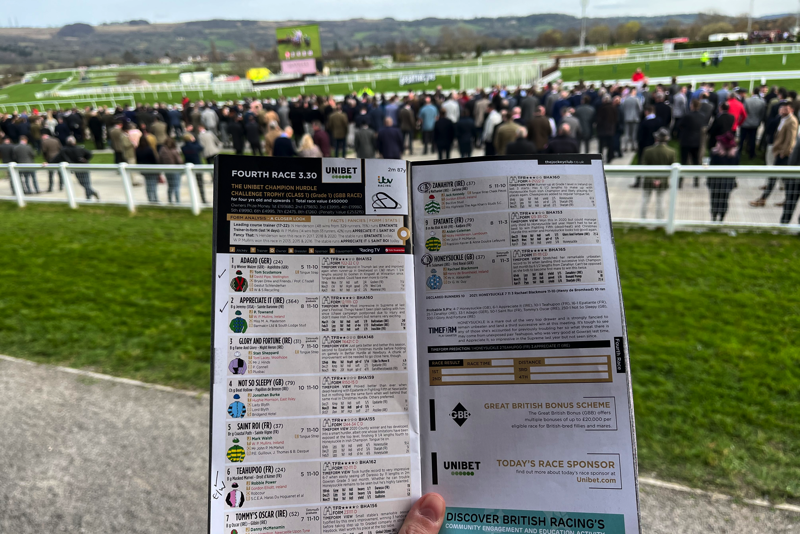
Every race on a card is laid out the same way: a header with the race details, then one line for each runner.
The Race Header
| Item | What It Tells You |
|---|---|
| Time and Course | When and where the race is run, for example 2:30 Cheltenham. |
| Race Type | Flat, hurdle, chase, National Hunt Flat (a “bumper”) or all-weather. |
| Class | The standard of the race. Class 1 is the highest level, home to Group and Graded races; the higher the number, the lower the standard. |
| Distance | Shown in miles and furlongs. One furlong is an eighth of a mile, about 201 metres. |
| Going | The condition of the ground, from firm to heavy (see the going table below). |
| Prize Money and Runners | What the race is worth and how many horses are declared. |
Each Runner’s Line
| Column | Example | What It Means |
|---|---|---|
| Number | 4 | The saddlecloth number the horse wears. |
| Draw | (7) | The starting stall. Flat races only, as jump races don’t use stalls. |
| Form | 21-P31 | Recent finishing positions, most recent on the right. |
| Horse and Days | Example Runner 14 | The horse’s name and the number of days since it last ran. |
| Codes | CD, BF | Course or distance wins, or beaten favourite last time. |
| Age | 6 | The horse’s age in years. |
| Weight | 11-2 | Weight carried in stones and pounds: 11st 2lb. |
| Headgear | t, b1 | Equipment worn. A “1” means it’s being worn for the first time. |
| Jockey | J Smith (3) | The rider, with any weight allowance (claim) in brackets. |
| Trainer | A Trainer | The person responsible for preparing the horse. |
| OR | 128 | Official Rating, the handicapper’s assessment of ability. |
| Forecast | 9/2 | The expected starting price. |
Form Figures Explained
The string of characters next to a horse’s name is its form. It reads left to right, with the most recent run on the right. A horse showing 4321 has improved every time and won last time out; one showing 1234 is heading the wrong way.
| Symbol | Meaning |
|---|---|
| 1–9 | Finishing position in that race. |
| 0 | Finished outside the first nine (10th or worse). |
| – (dash) | Separates seasons. Everything to the right of the last dash is this season’s form. |
| / (slash) | A longer break, usually meaning the horse missed a whole season or more. |
| P | Pulled up: the jockey stopped riding before the finish. |
| F | Fell. |
| U | Unseated rider. |
| R | Refused to jump an obstacle. |
| B | Brought down by another horse. |
| S | Slipped up. |
| C | Carried out by another runner. |
| D | Disqualified. |
| V | Void race. |
Pundit’s tip: letters never tell the whole story. A horse that fell at the last while travelling best can be one to follow next time; one that pulled up a mile from home is a far bigger worry. The race comment or replay tells you which.
Racecard Codes and Headgear
Beside the horse’s name you’ll often see a few capital letters. They are some of the most useful facts on the card.
| Code | Meaning | Why Pundits Care |
|---|---|---|
| C | Course winner | Quirky tracks such as Chester, Epsom and Cheltenham reward horses that have handled them before. |
| D | Distance winner | Proven to stay the trip. |
| CD | Course and distance winner | The strongest of the three: it has already won this exact test. |
| BF | Beaten favourite last time out | It was well fancied. It could put things right, or it could be overrated. |
Headgear codes appear in lower case. A 1 after the code, such as b1, means the horse is wearing it for the first time.
| Code | Equipment | What It’s For |
|---|---|---|
| b | Blinkers | Cups that block rear and side vision to help a horse concentrate. |
| v | Visor | Blinkers with a small slit that allows some side vision. |
| p | Cheekpieces | Sheepskin strips on the bridle, a milder version of blinkers. |
| h | Hood | Covers the ears to keep a keen or nervous horse calm. |
| t | Tongue Tie | Keeps the tongue in place to help breathing. |
| e/s | Eyeshield | Mesh cups that protect the eyes from kickback. |
Pundit’s tip: first-time headgear is a classic TV talking point. Trainers rarely make the change without a reason, so a “1” on the card is always worth a second look.
The Going
Ask most racing analysts what they check first and the answer is usually the ground. Plenty of horses have a strong preference, and a change in the going can turn a race upside down.
| Going | What It Means | Usually Suits |
|---|---|---|
| Firm | Very fast, dry ground | Speedy, light-framed horses. Rare over jumps. |
| Good to Firm | Fast ground with a little give | Flat horses with plenty of pace. |
| Good | Ideal, middle-of-the-road ground | Most horses. |
| Good to Soft | Some give in the ground | Most horses, with stamina starting to count. |
| Soft | Wet, testing ground | Horses with proven form in the mud. |
| Heavy | Very wet and stamina-sapping | Out-and-out stayers and proven heavy-ground horses. |
| Standard | The normal all-weather surface | All-weather specialists. |
Weight, Ratings and the Draw
Weight
In a handicap, horses carry different weights so that, in theory, they all have an equal chance. The best-rated horse carries the most. In other races, weight depends on age, sex and penalties for recent wins. As a rule, extra weight tells more over longer trips and on softer ground.
A number in brackets after the jockey’s name is a claim. Apprentice jockeys on the Flat and conditional jockeys over jumps can take weight off their horse, usually 7lb, 5lb or 3lb, with the allowance falling as they ride more winners. In a tight handicap, that can make a real difference.
Official Rating
The Official Rating (OR) is the handicapper’s measure of a horse’s ability, in pounds, and it sets the weight carried in handicaps. Pundits compare a horse’s current rating with the mark it last won off. A horse rated below its last winning mark may be “well handicapped”; one that has just won will usually have gone up, and the question becomes whether it can defy the rise.
The Draw
On the Flat, the starting stall can matter a great deal, especially on tight, turning tracks and in big-field sprints. Some courses favour low draws, others high, and the bias can shift with the going. Draw bias is one of the first things Flat analysts check.
How the Pundits Weigh It All Up
Knowing the symbols is one thing; putting them together is the skill. Watch the analysts on ITV Racing and Sky Sports Racing and you’ll hear them work through the same questions before almost every race.
| Factor | The Question to Ask | Where to Look |
|---|---|---|
| Going | Has it shown its best form on this ground? | Race header and past runs |
| Trip | Is it stepping up or down in distance? Did it stay on strongly last time? | Distance and the D code |
| Class | Is it dropping in class after running well in better company? | Race header and past runs |
| Course | Has it handled this track before? | C and CD codes |
| Current form | Are the recent figures improving? | Form figures |
| Fitness | Is it race-sharp, or returning from a break? | Days since last run |
| Weight and rating | Is it rated below its last winning mark? | OR and weight |
| Connections | Are the trainer and jockey among the winners? | Trainer and jockey form |
| Pace | Who will lead, and will the likely pace suit this horse’s style? | Run style and race comments |
| The market | Is the horse shortening in the betting? | Forecast and live odds |
None of these factors works on its own. What separates the best racing pundits is weighing them against each other and deciding which one matters most in this particular race.
A Worked Example
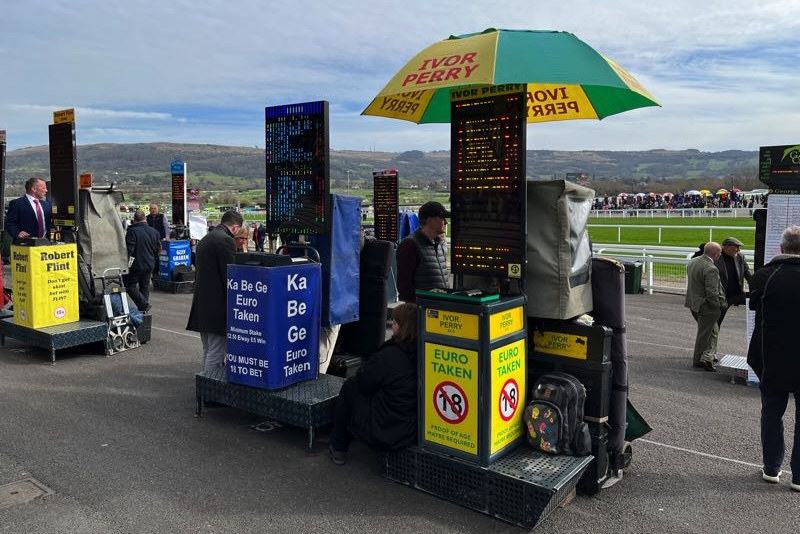
Here’s how a pundit might read a single line on the card. The race and horse below are made up for illustration.
3:05 Cheltenham · Class 2 Handicap Chase · 2m4f · Good to Soft
| No. | Form | Horse | Age | Wgt | Gear | Jockey | OR |
|---|---|---|---|---|---|---|---|
| 4 | 21-P31 | Example Runner CD 14 | 6 | 11-2 | t | J Smith (3) | 128 |
| What You See | What It Tells You |
|---|---|
| 21-P31 | Last season it finished 2nd, then won. This season it pulled up, ran 3rd, then won last time out. The form is on the up. |
| CD | It has already won over this course and distance. |
| 14 | It ran a fortnight ago, so it should be race-fit. |
| 11-2 and (3) | It carries 11st 2lb, but the 3lb claim means it effectively carries 10st 13lb. |
| t | It wears a tongue tie. No “1”, so it has worn one before. |
| OR 128 | After its last win, the handicapper will probably have raised its mark. |
The Pundit’s Verdict
A course-and-distance winner in good form, race-fit, and getting a useful 3lb from the claimer. The two questions: can it cope with a higher mark after winning last time, and was there an excuse, such as unsuitable ground, for that pulled-up run earlier in the season?
Glossary of Horse Racing Terms
| Term | Meaning |
|---|---|
| Allowance / Claim | Weight taken off by a less experienced jockey. |
| Bumper | A National Hunt Flat race with no obstacles, used to educate young jumpers. |
| Chase | A jumps race over larger, fixed fences. |
| Each Way | A bet in two equal parts: one on the horse to win and one on it to place. |
| Favourite | The horse with the shortest odds. |
| Furlong | One eighth of a mile, about 201 metres. |
| Going | The condition of the ground. |
| Handicap | A race where horses carry different weights based on their ratings. |
| Hurdle | A jumps race over smaller, more flexible obstacles. |
| Maiden | A horse that has not yet won, or a race for such horses. |
| Non-Runner | A declared horse withdrawn before the race. |
| Novice | A horse in its first season over a type of obstacle, or a race for such horses. |
| Penalty | Extra weight carried after a recent win. |
| Starting Price (SP) | The official odds when the race starts. |
| Stayer | A horse that is at its best over long distances. |
| Trip | The distance of a race. |
Frequently Asked Questions
Which way do you read horse racing form?
Left to right, with the most recent run on the far right. A dash separates one season from the next.
What does P mean in horse racing form?
P means the horse was pulled up: the jockey stopped riding it before the finish, often because it was tired, injured or not handling the conditions.
What does CD mean on a racecard?
CD means the horse has won over the same course and distance as today’s race. C on its own means a course winner, and D on its own means a distance winner.
What does a 0 mean in horse racing form?
A 0 means the horse finished outside the first nine, so 10th or worse.
What is the difference between a hurdle and a chase?
Hurdles are smaller, lighter obstacles, while chase fences are bigger and fixed. Most jumpers start over hurdles before moving on to chasing.
Final Thoughts
Reading form is a skill that sharpens with practice. Start with the basics — form figures, course and distance record, the going and the weight — then layer in the draw, pace and trainer form as you grow more confident. Next time you watch the build-up, keep the card open alongside the coverage and see how many of the pundits’ points you can spot before they make them.
Please gamble responsibly. 18+ only. For free, confidential support, visit BeGambleAware.org.