

A live Roulette table looks simple on screen. There’s a dealer, a wheel and a betting grid, and the picture switches between them at set points in each round.
Behind that picture is a small broadcast setup. Most standard tables use somewhere between three and six cameras, and each one has its own job. Knowing what each camera does can help you understand how the digital gaming floor works and why the stream looks the way it does.
The Wide Shot
The first camera is usually a wide shot of the whole table. It’s on screen while bets are open, so you can see the dealer, the wheel and the layout at the same time. This is the view most like a table at a brick and mortar casino. It doesn’t show much detail. Its role is to show that the dealer and the wheel are in the same room and filmed in real time.
The Wheel Cameras
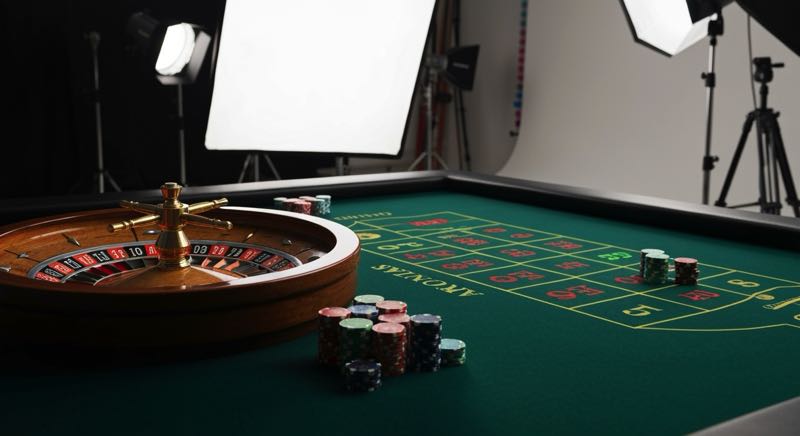
Once the ball is released, the stream cuts to one or more close cameras on the wheel. These are often mounted above or beside it and stay fixed on the pockets until the ball settles. Studios tend to film at around 60 frames per second to reduce motion blur. That matters because the picture isn’t only for you. It’s also read by software.
The Camera That Reads the Result
Live tables use optical character recognition, known as OCR, to turn what happens on the wheel into data. A camera or sensor tracks the ball and identifies the pocket it lands in.
That reading goes to a game control unit, or GCU. Each live table has one. The GCU encodes the video, keeps it in sync with the game data and sends the result to the game server, which settles bets. If the dealer calls a number and the GCU reads something different, the GCU’s reading is used.
The GCU also closes betting before the ball lands. The video feed carries a slight delay, so betting is shut before the result appears on your screen.
Dealer and Overhead Cameras

Some tables add a dealer camera for a tighter shot of the croupier, and an overhead camera above the betting grid or wheel. Others use a single close camera that pans between positions. The exact number depends on the game format and the studio. Branded variants with replays or extra angles tend to use more. A standard single wheel table might run on as few as three.
The Cameras You Don’t See
Not every camera is part of the stream. Studios also run surveillance cameras that record dealer activity for review.
In the UK, the Gambling Commission’s technical standards say live dealer operations must be “fair and independently auditable”. Its guidance says video surveillance should record all dealer activity in enough detail to check that dealing procedures and game rules were followed. The same standards say equipment should be of commercial casino quality, and that croupiers should be trained and their training records kept.
So the total camera count at a single table is often higher than the number of angles you’ll see on screen.
What This Means When You Play

More cameras don’t change the odds. A European Roulette wheel has 37 pockets, and each spin is independent of the last, whichever angle you’re watching from.
What the cameras do is make each round traceable. The result you see is read by software, logged and recorded. Once the ball settles and bets are paid out, the round is complete. You can stop there, or leave the table at any point between rounds.