

Odds are often treated as a simple number on a screen, yet every price a bookmaker publishes is the result of a structured process. Statistical modelling, trader judgement, commercial margin and live betting activity all feed into the figure you see next to a team name. Knowing what sits behind those numbers helps you judge whether a price represents fair value or whether the market has already moved past you.
What follows breaks down each stage of that process, from the initial probability estimate through to the split-second repricing that happens during a match.
Assessing the True Probability of Each Outcome
Every price begins with a probability estimate. If a bookmaker’s analysts believe a football team has a 50% chance of winning, that converts to decimal odds of 2.00, or evens in fractional terms. A 25% chance becomes 4.00, and a 10% chance becomes 10.00. The conversion is straightforward arithmetic: divide 100 by the percentage probability. Practise this calculation yourself before placing any bet, because it lets you translate a bookmaker’s price back into the probability they have assigned and compare it against your own assessment.
Seeing fixed probability in action is a useful exercise before tackling sport. Try a few spins of online roulette UK players enjoy at BoyleSports, and you will see odds that never shift, because the chance of any single number landing on a European wheel is settled at 1 in 37 and cannot be estimated any other way. Football, racing and tennis offer no such certainty, so bookmakers must build their probabilities from evidence. That gap between estimated and known probability is precisely where value can exist for an informed bettor.
Building the Statistical Models Behind the Numbers
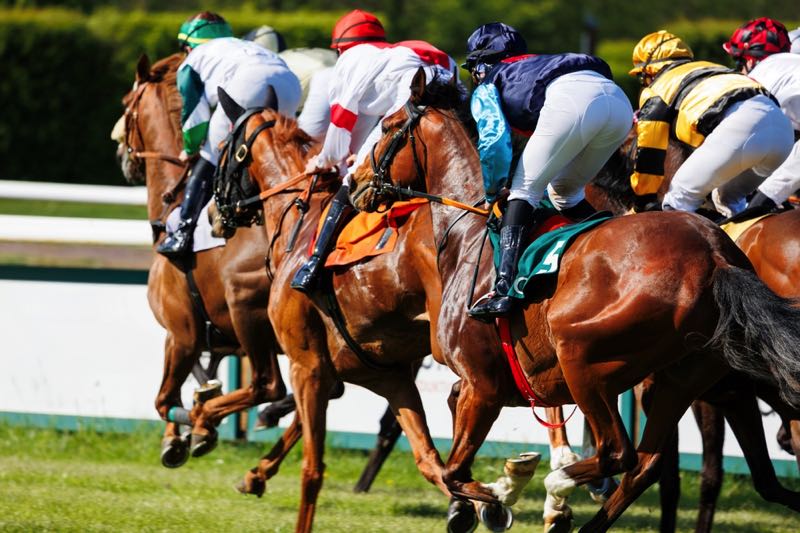
Modern pricing relies heavily on quantitative models fed by large volumes of historical and current data. Inputs typically include past results, goals scored and conceded, expected-goals figures, shot quality, possession statistics, home advantage, squad availability, travel distance, rest days between fixtures, and weather conditions. Horse racing models add ground conditions, trainer and jockey strike rates, draw bias and recent form over comparable distances. The model outputs a baseline probability for each selection, which becomes the starting price before any human review.
Replicating parts of this process is more achievable than it sounds. Free sources such as expected goals databases, injury trackers and historical result archives let you build a rough probability estimate for a fixture, then compare it against the published price. Focus on one league or one racing code rather than spreading yourself thinly, since specialist knowledge in a narrow market gives you a far better chance of spotting a mispriced selection than shallow coverage of many.
Adding the Overround, or Bookmaker Margin
Once probabilities are set, bookmakers inflate them, so the total exceeds 100%. That surplus is the overround, and it represents the theoretical margin retained across the market. Consider a tennis match where both players are genuinely rated at 50%. A margin-free book would price both at 2.00. A bookmaker applying a 5% overround might offer 1.90 on each, which implies 52.6% per player and 105.2% in total.
Calculating the overround takes seconds and is one of the most useful habits to develop when betting. Convert each price into implied probability by dividing 100 by the decimal odds, then add the results together. Anything close to 102% on a two-way market is competitive, while figures above 110% on smaller markets indicate you are paying heavily for the privilege. Comparing overrounds across several firms before staking will improve your long-term returns more reliably than any individual selection.
How Trading Teams Adjust Prices Manually

Models cannot capture everything, so trading teams review and override machine output. Traders account for factors that resist quantification: a manager’s stated intention to rotate ahead of a cup tie, a squad returning from international duty, an unsettled player facing a transfer deadline, or the motivation gap between a side chasing promotion and one already safe in mid-table. Prices are adjusted accordingly, sometimes substantially.
Following the same information sources gives you a genuine edge. Local newspaper reporters, club-specific podcasts and press conference coverage frequently carry team news hours before it reaches mainstream aggregators. Acting on credible information early, before traders have finished repricing, is one of the few consistent advantages available to recreational bettors.
Reacting to Betting Volume and Liability
Prices move in response to money as well as information. Bookmakers monitor liability across every selection and shorten odds where exposure builds, lengthening the alternatives to encourage balancing stakes. Not all money carries equal weight, though. Wagers from accounts with a proven record of profitability tend to trigger sharper adjustments than large recreational stakes, because the former signals information the trader may have missed.
Track price movement over the days leading up to an event to read these signals. A selection drifting steadily without obvious news often reflects informed money elsewhere in the market, while a sharp shortening minutes after team sheets appear usually reflects lineup information. Take an early price when you believe a selection will shorten, and wait when you expect a drift, though be aware that best odds guaranteed offers on racing reduce the risk of backing too soon.
Live Odds and In-Play Recalculation

In-play pricing runs on automated systems that recalculate probabilities continuously as a match develops. Score, time remaining, red cards, penalties, momentum indicators and shot data all feed into the algorithm, with prices refreshed many times per minute. Markets are suspended around goals, dismissals and significant incidents while the system reprices, which is why a bet occasionally fails to be accepted.
Latency deserves careful attention if you bet in-play. Streaming feeds typically run several seconds behind live action, and betting on delayed pictures puts you at a permanent disadvantage. Watch the fastest feed available, avoid staking during periods of obvious uncertainty, and treat any price that looks unusually generous with suspicion, since it may reflect information you have not yet seen.
Put Your Knowledge of Odds into Practice
Bookmakers price sport through a chain of probability estimation, statistical modelling, margin application, trader judgement and live adjustment. Every stage offers a point where a well-informed bettor can identify value. Compare overrounds across multiple firms, specialise in markets you genuinely follow, monitor team news early and stake only what you can comfortably afford to lose. Sign up with a reputable, UKGC-licensed operator, set your deposit limits before you place a single bet, and put a more considered approach to work. Gamble responsibly, and treat betting as entertainment rather than income.