
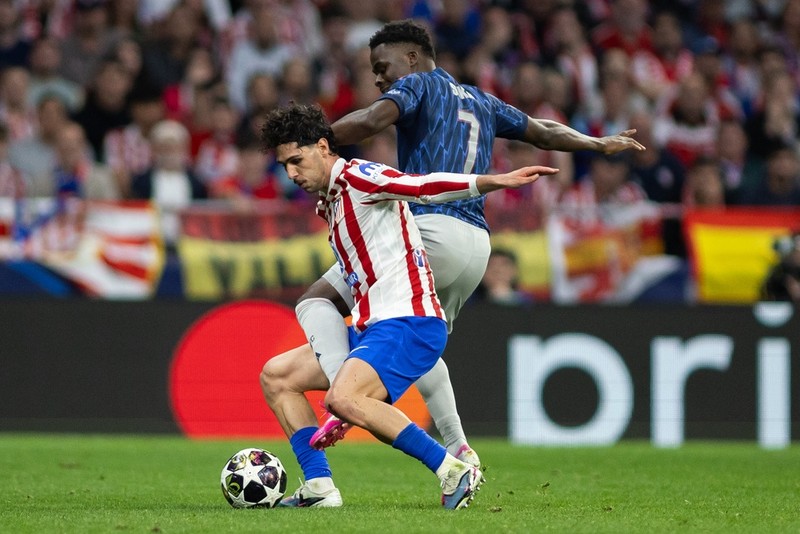
When Champions League semi-finals approach, every team news update can shift betting markets. With limited fixtures and focused market activity, key injuries frequently affect odds in advance of kick-off. Analysing these market reactions allows bettors to interpret changes in probability beyond headline narratives.
Champions League semi-finals are high-stakes events where small developments may have a significant impact on betting markets. Those involved in market setting and bettors who watch semi-final news closely often make position changes when credible injury reports emerge. Many use a bet calculator uk to assess how the latest information changes implied probabilities before placing or adjusting bets. For readers interested in betting strategy, understanding how odds respond to team news is key to recognising price movement and potential mispricings.
Why Team News Moves Semi-Final Betting Lines
Champions League semi-finals stand out on the football calendar because there are few matches and a high density of betting activity for each. Any significant update about player fitness can result in swift price changes as market participants respond.
Large betting volumes in these markets can lead to quick reactions when a key player’s injury is suggested. Even unconfirmed injury rumours may cause line movements as operators position for possible scenarios. Full confirmation from trustworthy sources typically prompts further adjustment, especially near the release of team sheets.
Injury Information From Rumour to Team Confirmation

Market shifts can begin when early injury rumours appear through media reports or leaks. Some bettors respond ahead of confirmation, weighing the possible value if the reported news is accurate.
When a club formally announces a player’s injury, another round of market response occurs, often with more decisive moves reflecting the now-confirmed team change. Traders update models to reflect the verified information, while reactions from the broader betting community may create periods of volatility.
Odds Movement Across Key Markets and Pricing
The scale of odds movement depends on both the player’s importance and the market in question. Match odds are affected most by injuries to major goalscorers, as predictive models lower team scoring potential. Qualification odds likewise adjust to reflect the expected influence on the outcome of the tie.
Scorer and player-prop markets are especially responsive to injury news. When key players are ruled out, prices in these markets are often withdrawn or updated before being offered again. Limits are usually lower in these areas, and availability can be affected until confirmation arrives. Team-based markets tend to stabilise more quickly following clear injury disclosure than do the player-focused options.
Frameworks For Interpreting Odds Reactions to Injuries

A striker’s absence generally results in a notable drop in a team’s goal expectation, impacting both win and goals markets. Odds are typically adjusted in favour of the opposing team due to a forecasted reduction in scoring output.
When a key defender or goalkeeper is ruled out, markets re-evaluate clean sheet probability and defensive strength. There may be more variation in the reaction across different models for defensive players. Injuries in midfield affect a team’s creativity and control, bringing subtler changes to totals and expectations about style of play.
Timing of Injuries Between First and Second Legs
An injury before the first leg usually causes an immediate and broad repricing across the main markets, reflecting a shift in starting expectations. If an injury emerges between the legs, market adjustments become more nuanced, factoring in the aggregate score and each team’s strategic needs for the second match.
Teams may alter their approach depending on the context of the tie, with the odds reflecting not just the loss of a player but also the tactical situation. Champions League semi-final odds behaviour, in these cases, reflects injuries as well as the dynamic circumstances of two-legged play.