
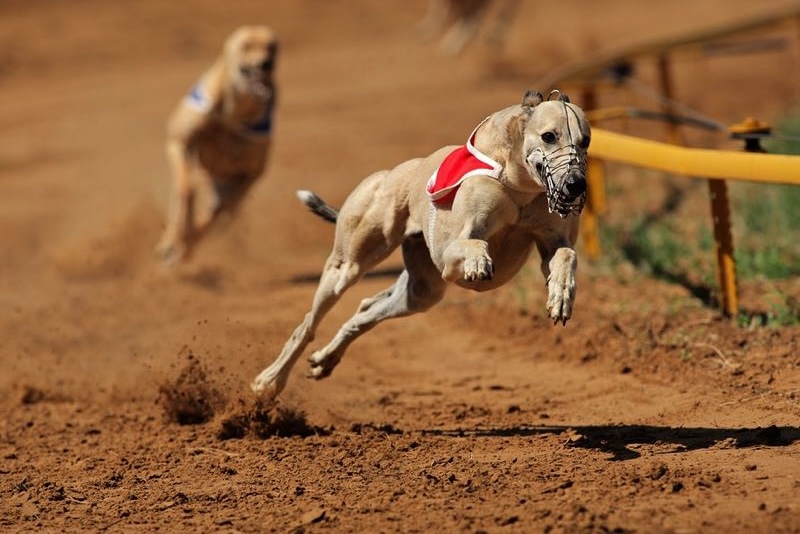
Greyhound racing is one of the most fast-paced, exhilarating betting markets in the world. With a race off in the UK or Ireland every few minutes, it provides endless opportunities for punters. However, the sheer volume of races can also be a trap for the unprepared bettor.
If you want to move away from picking names out of a hat and start finding genuine value at the dog track, you need a strategy. Here is a pundit’s guide to shifting the odds in your favour.
1. Sectional Times Are Your Best Friend
In horse racing, stamina and late surges often win the day. In greyhound racing, early pace is king. Races are frequently won and lost before the dogs even reach the first bend.
When you look at a racecard, don’t just look at the final finishing times; study the sectional times (the time it takes a greyhound to reach the first bend). If a dog consistently posts the fastest sectional time in the field, they are highly likely to lead the pack early. A greyhound that gets a clear run at the front avoids the bumping and crowding behind them, drastically increasing their chances of holding on for the win.
2. Understand Track Bias and Trap Draws
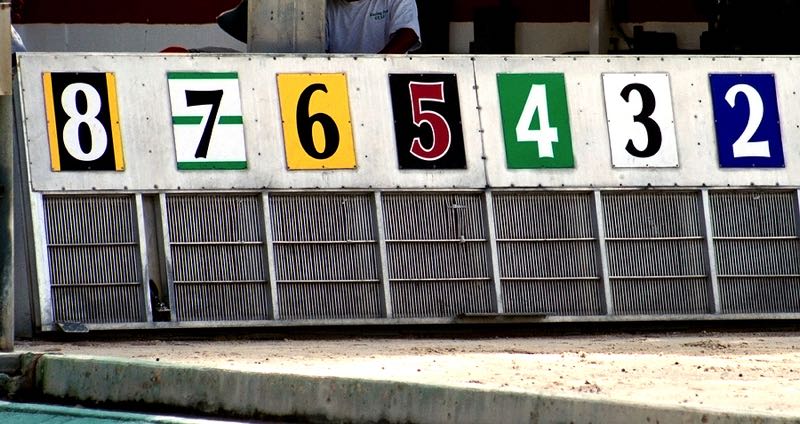
Not all tracks are created equal, and a dog’s preferred running style must match its trap draw. Greyhounds are categorised by how they run:
- Railers (R): Like to hug the inside.
- Middle (M): Prefer the centre of the track.
- Wide (W): Like to sweep around the outside.
If a wide-runner is drawn in Trap 1 (the inside rail), they will instantly try to cut across the track when the traps open, causing collisions and ruining their race. Conversely, if a fast-starting railer gets Trap 1, they have a dream run. Always cross-reference a dog’s seeding with their trap draw. Furthermore, learn the track biases—some tighter circuits like Romford heavily favour early-paced railers, while sweeping galloping tracks like Sheffield give wide-runners more time to build momentum.
3. Focus on “Open” Races and Major Competitions
Daily graded races (A1, A2, etc.) are heavily handicapped by the racing manager to ensure all six dogs cross the line as closely together as possible. Finding an edge here is notoriously difficult.
Instead, serious punters focus on Open Racing—the highest level of greyhound racing, where the best dogs from across the country travel to compete in major cups. Because these dogs don’t race against each other every week, the bookmakers’ pricing can sometimes be slightly off, creating value for sharp bettors.
With major autumn events on the horizon—such as the historic Steel City Cup at Sheffield this October—it pays to follow bookmakers who actively understand and support the sport. For example, checking the greyhound markets at BresBet is a smart move for punters. As an independent bookie heavily invested in the sport, they don’t just offer highly competitive odds; they actually sponsor massive competitions like the Steel City Cup, The Gymcrack, and the Easter Cup, even offering a £10,000 bonus to connections whose dogs can complete a historic trophy double. Betting with specialists usually guarantees you better market depth.
4. Watch for Downgraded Dogs
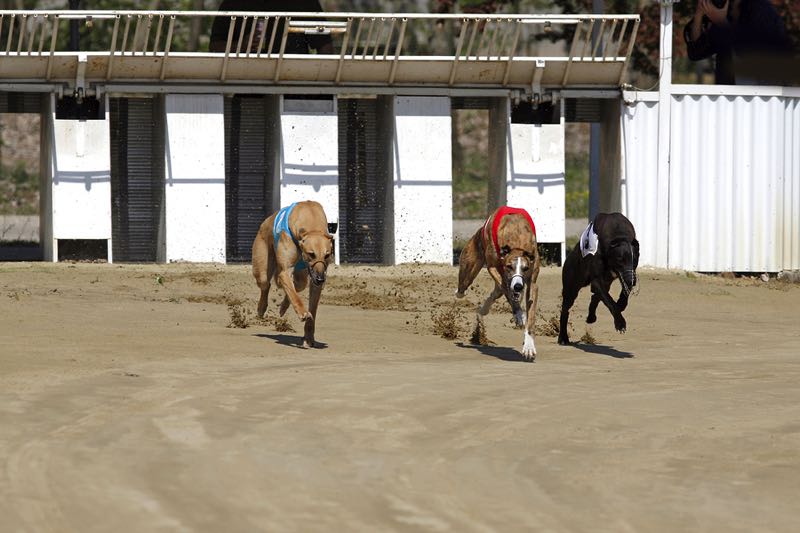
If you are going to bet on standard graded races, keep an eye on the grading changes. If a dog has been running in A2 company and struggling, the racing manager will eventually drop them down to A3.
This drop in class can be the exact confidence boost a greyhound needs. They will suddenly find the early pace less frantic and the physical crowding less intense. A dog dropping down a grade who gets their preferred trap draw is often one of the strongest betting propositions on a standard daily card.
5. Specialise to Survive
The biggest mistake novice greyhound bettors make is trying to bet on every meeting, from Crayford in the morning to Shelbourne Park at night. It is impossible to know the form of every dog in the UK and Ireland.
Pick one or two tracks and study them religiously. Learn which trainers have a great strike rate at that specific stadium, understand the track bias, and watch the race replays to spot dogs who were unlucky in their last run. In greyhound betting, hyper-focused knowledge will always beat a scattergun approach.